
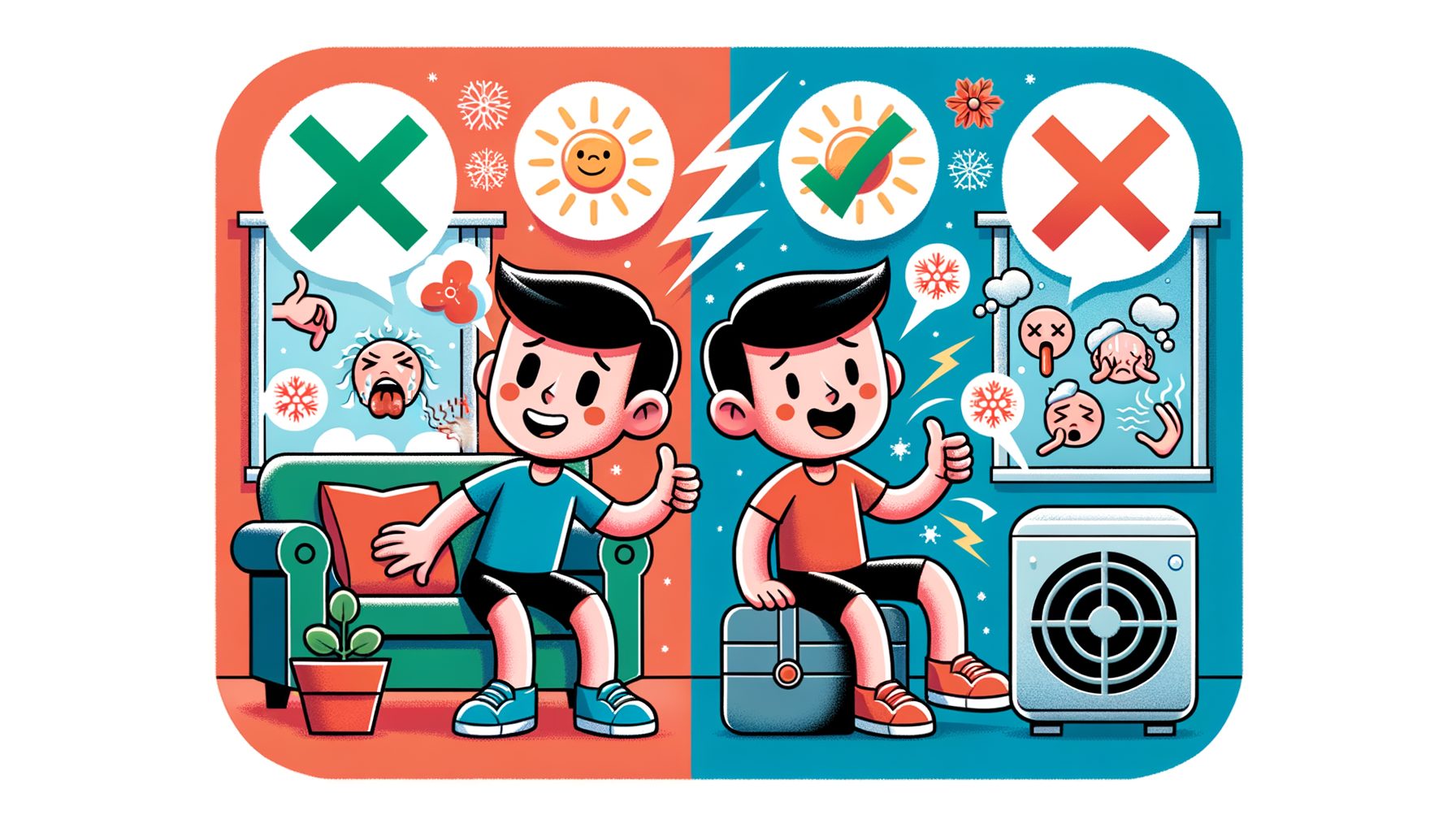
When temperatures spike, cranking the AC often feels like the only move. Here is the twist: your health and air conditioning are tightly linked—sometimes for the better, sometimes not. Use it wisely and you gain protection from heat stress, better sleep, sharper focus. Use it poorly and you risk dry eyes, circulating allergens, and respiratory irritation. In this guide, you will find the benefits, the tradeoffs, and simple, science-backed tips to keep cool without the hidden downsides.
The health benefits of air conditioning you should actually use
Heat is not just uncomfortable—it can be dangerous. Heat waves are linked to spikes in emergency visits and excess deaths, especially among older adults, people with chronic conditions, pregnant individuals, and outdoor workers. Air conditioning dramatically reduces the risk of heat-related illness by keeping core body temperature stable and providing a safe retreat during extreme weather. Public health agencies encourage seeking air-conditioned spaces during heat events for good reason: AC can be a lifesaver. See guidance from the CDC on heat safety for reliable, practical steps: CDC Heat and Health.
What’s interesting too: indoor air quality. Many AC systems use filters that capture dust, pollen, pet dander, and some fine particles. Upgrading to a higher-efficiency filter (such as MERV 11–13, if your system supports it) can reduce exposure to airborne irritants that trigger allergies and asthma. If wildfire smoke or urban pollution is a concern where you live, recirculating indoor air through a good filter can lower particle levels compared with leaving windows open. The EPA’s primer on residential air cleaning is a helpful reference: EPA: Air Cleaners and Air Filters in the Home.
Comfort also boosts cognitive performance. Research shows that heat impairs attention, memory, and reaction time. In one study highlighted by the Harvard T.H. Chan School of Public Health, students in warmer indoor environments performed worse on cognitive tests than peers in cooler rooms during a heat wave. Well, here it is—cooler, well-controlled rooms support safer work, better decisions, and higher productivity, particularly in schools, hospitals, and hot climates. Read more here: Harvard: Heat waves can impair cognitive performance.
Sleep matters, too. Your body prefers a slightly cooler environment for quality rest because core temperature naturally drops overnight. AC helps maintain a steady, comfortable bedroom temperature and reduces humid, sticky conditions that interrupt sleep. The Sleep Foundation suggests a bedroom setpoint around 60–67°F (16–19°C) for many adults, with personal comfort and bedding choices factored in: Sleep Foundation: Best Temperature for Sleep. When you align your AC use with your body’s needs, you feel better—day and night.
The hidden risks of air conditioning and how they show up
Not all AC use is healthy. Set your unit too cold and you may experience dryness of the eyes, nose, and skin. Very low indoor humidity can irritate airways and make contact lens wear uncomfortable. At the other extreme, poor drainage, dirty filters, or a damp air handler can push humidity too high, encouraging mold growth and musty odors. Striking the right humidity balance—ideally in the 30–50% range and staying below 60%—helps protect respiratory health and keeps dust mites and mold in check. The EPA’s moisture guidance offers practical tips: EPA: Moisture and Mold.
Air stagnation is another risk. If your system is powerful but ventilation is weak, carbon dioxide and indoor pollutants can build up, especially in shared spaces or small rooms with closed doors. That buildup can lead to headaches, sleepiness, and a “stale air” feeling. While CO2 is mainly a comfort indicator rather than a direct toxin at typical indoor levels, elevated readings can signal the need for more fresh air or better filtration. ASHRAE—the leading building standards body—publishes trusted guidance on ventilation and indoor air quality here: ASHRAE Standards and Guidelines.
Maintenance matters, too. Dirty filters and clogged condensate drains can reduce airflow, lower cooling efficiency, and foster microbial growth in coils and pans. In large buildings, poorly maintained cooling towers or water systems can contribute to Legionella bacteria growth, which can cause Legionnaires’ disease. While this is primarily a commercial-building issue, it underscores the larger point: cooling systems should be kept clean and well-serviced. For background, see the CDC’s overview: CDC: Legionella.
Last comes the comfort trap: blasting cold air can cause temperature “whiplash” when you step outside, trigger muscle tension, or lead to conflicts at home and work over setpoints. Loud portable units can disrupt sleep and concentration. And there is the wallet impact—inefficient operation or leaky homes drive up energy bills and can strain power grids during peak demand. The risks are manageable, but only when you balance cooling with ventilation, humidity control, maintenance, and smart settings.
Safer, smarter AC: practical tips backed by data
Start with your thermostat. During the day, most people feel comfortable around 75–78°F (24–26°C) with light clothing and good air movement. At night, aim cooler if it helps you sleep—often 60–67°F (16–19°C) works well. Avoid extreme settings; bigger temperature swings are hard on your system and your body. When you leave for several hours, raise the setpoint rather than turning AC completely off. The U.S. Department of Energy notes that using programmable or smart thermostats and setting higher temperatures when away can shave cooling costs significantly over a season: DOE: Central Air Conditioning.
Control humidity. Keep indoor relative humidity roughly 30–50% (never above 60%). If you live in a very humid climate, ensure your AC’s drain line flows freely and consider a standalone dehumidifier for trouble rooms. In arid climates, if air feels too dry, moderate your setpoint, use a bowl of water near vents, or consider a controlled humidifier (but avoid overshooting—excess moisture invites mold).
Filter and clean. Use at least a MERV 11 filter; MERV 13 is better if your blower can handle it without pressure issues. Replace filters every 1–3 months during heavy use, or more often if you have pets, smoke exposure, or construction dust. Vacuum return grilles, clean supply vents, and have a technician inspect coils and the condensate pan yearly to prevent slime and blockages. For added protection—especially during wildfire smoke or high-pollen seasons—run a HEPA room air purifier in the spaces you occupy most. See the EPA’s guidance on choosing air cleaners: EPA: Guide to Air Cleaners in the Home.
Ventilate smartly. When outdoor air is clean and cooler (morning or late evening), briefly open windows or use a mechanical ventilation system to flush stale air. During smoke events or severe pollution, keep windows closed, set the system to recirculate, and lean on filtration. Ceiling fans can make you feel 2–4°F (1–2°C) cooler through wind-chill, letting you raise the setpoint without losing comfort. Close blinds or curtains on sun-exposed windows, seal obvious air leaks, and shade your outdoor condenser for quieter, more efficient operation—just maintain clear airflow on all sides.
Quick reference: healthy AC numbers that actually help
Use this at-a-glance checklist to align comfort, health, and energy.
| Metric | Target range or fact | Why it matters | Source |
|---|---|---|---|
| Daytime temperature | 75–78°F (24–26°C) | Comfort with moderate clothing and airflow | U.S. DOE |
| Bedroom temperature | 60–67°F (16–19°C) | Supports natural overnight cooling for better sleep | Sleep Foundation |
| Indoor humidity | 30–50% (always < 60%) | Limits mold/dust mites; reduces irritation | EPA |
| Filter rating | MERV 11–13 (as system allows) | Captures finer particles and allergens | EPA |
| Filter change | Every 1–3 months in cooling season | Maintains airflow, efficiency, and cleanliness | EPA |
| Ventilation cue | Fresh air if indoor feels stale; avoid during smoke | Manages CO2 and indoor pollutants | ASHRAE |
Quick Q&A: air conditioning and your health
Q: Is it bad to sleep with the AC on all night?
A: It is fine if you set a comfortable temperature, keep humidity in range, and direct airflow away from your face. Use a timer or smart schedule to avoid overcooling. If air feels dry, consider a slightly higher setpoint and hydrate before bed.
Q: Does AC cause colds?
A: No—viruses cause colds. However, very cold or very dry air can irritate your nose and throat, making you feel “sniffly.” Balance temperature and humidity, and keep filters clean to reduce irritants.
Q: How often should I change my AC filter?
A: Typically every 1–3 months during heavy use. Check monthly if you have pets, live near busy roads, or experience wildfire smoke. Replace sooner if the filter looks gray or dusty.
Q: Fan or AC—which is better?
A: Fans move air and make you feel cooler but do not lower room temperature. AC reduces both temperature and humidity. The best combo is AC set a bit higher plus a ceiling or floor fan for comfort with less energy use.
Conclusion: stay cool, stay healthy—make your AC work for you
Here is the bottom line: air conditioning can protect your health—cutting heat risk, improving sleep, and supporting clear thinking—if you use it thoughtfully. The same system can cause dryness, stale air, or higher bills when neglected or misused. The good news is that a few simple habits create a powerful difference: reasonable setpoints, clean filters, balanced humidity, targeted ventilation, and regular maintenance.
Take ten minutes today to audit your setup. First, set daytime temps around 75–78°F (24–26°C) and night temps that feel cool but not harsh. Next, check humidity—aim for 30–50%, never above 60%. Replace your filter if you cannot remember the last swap, and note the size and MERV rating so the next one is simple. Look at your vents and returns; vacuum dust and make sure furniture is not blocking airflow. Peek at the condensate drain line and ensure it is not clogged. Then decide your ventilation plan: windows open when outdoor air is clean and cool; recirculate with filtration during smoke or high-pollen days. Add a fan to boost comfort so you can keep the setpoint modest. If you have a smart thermostat, create schedules for when you are home, asleep, and away.
These steps do not require special tools, just attention. The payoff is big: steadier comfort, clearer air, better sleep, lower stress on your AC, and a lighter energy footprint. Share these tips with roommates, family, or coworkers so everyone is on the same page about settings and maintenance. Your future summer self will thank you.
Ready to start? Choose one action—change the filter, adjust the setpoint, or plan a quick service—and do it today. Small changes compound into healthier, cooler living. Stay curious, stay cool, and take charge of your indoor climate—what is the first tweak you will try this week?
Sources and further reading
EPA: Air Cleaners and Air Filters in the Home
U.S. Department of Energy: Central Air Conditioning
Sleep Foundation: Best Temperature for Sleep
Harvard T.H. Chan School: Heat waves and cognitive performance
ASHRAE: Standards and Guidelines (Ventilation/IAQ)